Pakistan to Host U.S.-Iran Talks as Iran Threatens Ground Troops
Pakistan Steps In as Mediator in U.S.-Iran Tensions
Pakistan has announced that it will soon host talks between the United States and Iran, though there has been no immediate confirmation from either Washington or Tehran. It remains unclear whether the discussions will be direct or indirect. Foreign Minister Ishaq Dar expressed optimism about the potential for meaningful dialogue, stating that both nations have shown confidence in Pakistan’s ability to facilitate the talks. The announcement came after a meeting with top diplomats from Turkey, Egypt, and Saudi Arabia in Islamabad.
The diplomats later left for their respective countries, and the talks were originally scheduled to continue on Monday. However, the Pakistani foreign ministry did not respond to inquiries, and Iran’s mission to the United Nations declined to comment. This silence has added to the uncertainty surrounding the upcoming discussions.
A Growing Role for Pakistan in Regional Diplomacy
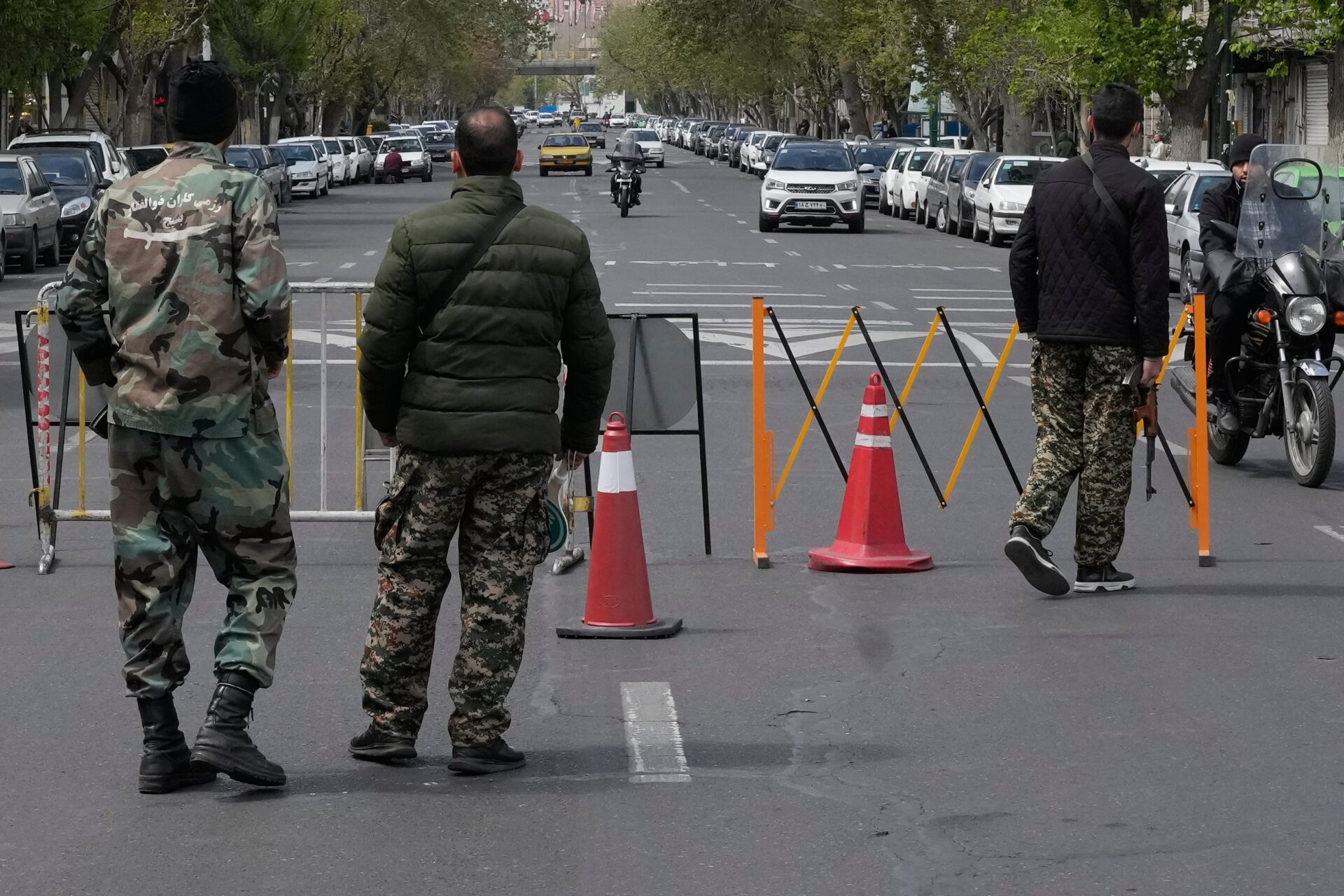
Pakistan has emerged as a key mediator in the ongoing conflict, leveraging its relatively strong ties with both Washington and Tehran. Officials have described the recent diplomatic efforts as weeks of quiet negotiations. Despite this, Iranian parliament speaker Mohammad Bagher Qalibaf dismissed the talks as a cover-up, especially after the arrival of 2,500 U.S. Marines in the Middle East. He warned that Iranian forces were prepared to retaliate against American troops and regional allies.
Iran has also threatened to attack the homes of U.S. and Israeli “commanders and political officials” in the region. A spokesperson for the Iranian military’s joint command, Ebrahim Zolfaghari, cited “targeting of residential homes of the Iranian people in various cities” and other “malicious actions” as justification for potential attacks.
Civilian Impact and Escalation of Violence
The war has had a devastating impact on civilians, with over 1 million Lebanese displaced and countless families affected by relentless airstrikes. Razzak Saghir al-Mousawi, a 71-year-old Iranian resident, described his fear of being targeted. Meanwhile, in Israel, Prime Minister Benjamin Netanyahu announced plans to expand the military invasion of Lebanon, targeting the Iranian-backed Hezbollah militant group. No details were provided about the operation.
The conflict has also disrupted global supplies of oil, natural gas, and fertilizer, while threatening shipping routes through the strategic Strait of Hormuz. The Iranian-backed Houthi rebels have further complicated the situation by entering the war, potentially endangering another critical waterway, the Bab el-Mandeb strait leading to the Red Sea.
Escalating Threats and International Concerns
Iran has warned of further escalation following Israeli airstrikes on several universities, including those linked to nuclear research. The paramilitary Revolutionary Guard declared that Israeli and U.S. universities in the region could become “legitimate targets” unless safety assurances are provided. The Guard issued an ultimatum, demanding that the U.S. government condemn the bombardment of Iranian universities by midday Monday.
U.S. institutions such as Georgetown, New York, and Northwestern universities have campuses in Qatar and the UAE. The American University of Beirut and the Lebanese American University have moved classes online as a precautionary measure. Iran’s Foreign Ministry claims that dozens of universities and research centers have been hit, including the Iran University of Science and Technology and Isfahan University of Technology.
Rising Death Toll and Regional Fallout
The death toll continues to climb, with over 1,200 people killed in Lebanon, more than 1,900 in Iran, and 19 in Israel. In Iraq, 80 security force members have died due to Iranian-backed militia groups entering the conflict. Gulf states have reported 20 deaths, while four have been killed in the occupied West Bank. Thirteen U.S. service members have also lost their lives in the ongoing war.
Egyptian Foreign Minister Badr Abdelatty emphasized that the meetings in Pakistan aim to open a “direct dialogue” between the U.S. and Iran, which have largely communicated through mediators. However, Iran has rejected a U.S. 15-point “action list” as a framework for peace, dismissing the idea of negotiating under pressure. Despite this, Iran’s state broadcaster reported that Tehran has drafted its own five-point proposal, calling for a halt to the killing of Iranian officials and guarantees against future attacks.
Economic and Strategic Implications
Iran has eased some restrictions on commercial ships in the Strait of Hormuz, allowing 20 more Pakistani-flagged vessels to pass through. Asif Durrani, Pakistan’s former ambassador to Iran, said this move sends a clear signal that Iran is open for business, provided the U.S. abandons coercion.
An adviser to the United Arab Emirates, Anwar Gargash, called for any settlement to include “clear guarantees” that Iranian attacks on neighbors will not be repeated. He described Iran as the “main threat” to Persian Gulf security and urged compensation for attacks on civilian infrastructure.
As the conflict intensifies, the international community remains on edge, with fears of further escalation and the potential for war crimes if civilian facilities continue to be targeted.
