Interview: Kurdish Democrats in Iran
The PDKI and the Struggle for Kurdish Autonomy in Iran
The Democratic Party of Iranian Kurdistan (PDKI) is a political organization that has long sought self-determination for the Kurdish population in Iran. Despite being labeled as a terrorist group by the Iranian government, the PDKI is not recognized as such by any major international body, including the United Nations, the European Union, or the U.S. Department of State.
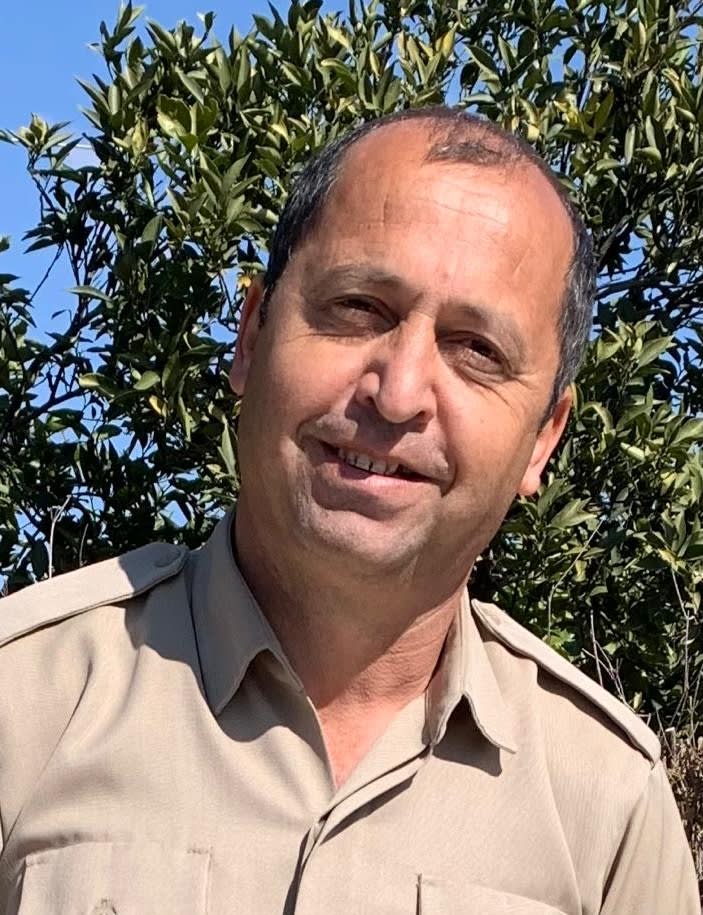
Based in the Erbil Governorate region of northern Iraq, the PDKI has been active since its founding and is considered the oldest existing Kurdish political party. Its current leadership includes Bakhtyar Osmany, who heads the Asylum Department of the PDKI and provides insight into the group’s perspective on the ongoing conflict involving Iran, the United States, and Israel.
Perspectives on the Current Conflict
According to Osmany, the conflict between the Iranian regime and foreign powers stems from internal issues within Iran, particularly the repression of its people and the country’s role in creating regional instability. He notes that widespread public resentment toward the government means that many Iranians are not opposed to the idea of the regime being overthrown by external forces.
As Kurds in Iran, the Islamic Republic has been the group’s primary enemy for the past 47 years. Osmany emphasizes that the PDKI has fought against the regime at great cost, making it difficult for the government to impose its policies in Iranian Kurdistan. He also highlights that more people are beginning to align with the PDKI’s goals, as the regime has failed to implement meaningful reforms and negotiations have proven ineffective.
Armed Operations and Regional Threats
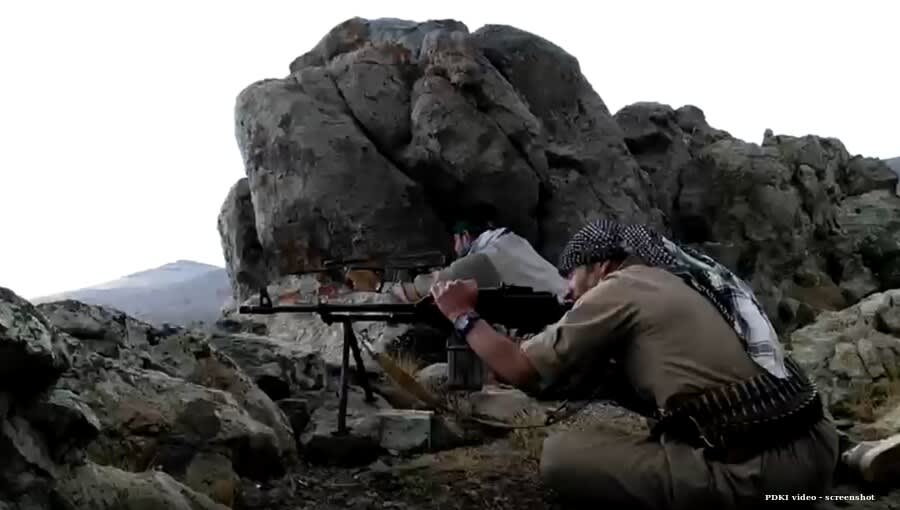
When questioned about whether the PDKI is currently engaged in or preparing for armed operations, Osmany states that the group is not currently involved in armed activities. However, he acknowledges that the PDKI retains the capability to enter an armed phase if necessary, given its long history and experience.
Iran has repeatedly targeted Kurdish opposition areas in the Kurdistan Region of Iraq, using methods such as assassinations, bombings, and drone attacks. In 2018, Iranian missiles targeted PDKI refugee camps and headquarters, resulting in numerous casualties. Despite these attacks, Osmany claims that the PDKI has become stronger as a result.
Political Objectives and Vision for the Future
The PDKI has evolved from seeking outright independence to advocating for autonomy within a federal Iran. Osmany outlines the group’s core political objectives for 2026, which include achieving political rights and national demands. The PDKI envisions a federal Iran with decentralized power, guaranteed Kurdish rights, and fair access to resources.
The group sees the Islamic Republic as a major obstacle that must be removed to achieve these goals. Osmany reflects on the lessons learned from decades of armed struggle, noting that the PDKI did not choose this path but was forced into it due to the regime’s brutality. He emphasizes that the struggle has strengthened the group’s resilience and revolutionary spirit.
Democratic Socialism and Governance
Politically, the PDKI identifies with democratic socialist principles. Osmany explains that social justice will be central to their agenda in a future post-Islamic Republic Iran. The group aims to create a system that provides broad access to public, financial, and social services for the largest segments of society.
To achieve these goals, the PDKI is building upon political mobilization and international efforts aimed at regime change. This includes supporting protest movements within Iran, which have faced severe crackdowns from the government.
International Engagement and Alliances
Osmany highlights the importance of external actors such as the United States in bringing about genuine democracy in Iran. He suggests that the PDKI could play a key role in stabilizing the country and fostering constructive relations with the U.S.
The recent formation of a broader coalition of Iranian Kurdish political groups has drawn international attention. Osmany views this as a positive development, noting that it has accelerated decision-making, strengthened unity, and improved cooperation among Kurdish groups.
Shared Aspirations Across Borders
Kurds across the region share common aspirations, language, and history. Osmany emphasizes that the collective goal is to achieve human and political rights, free themselves from oppression, and attain freedom. The PDKI continues to navigate differences in ideology and tactics among Kurdish groups, viewing these as a reflection of Kurdish society.