Flight Test Files: R4D Skytrain – JATO-Powered Carrier Launch
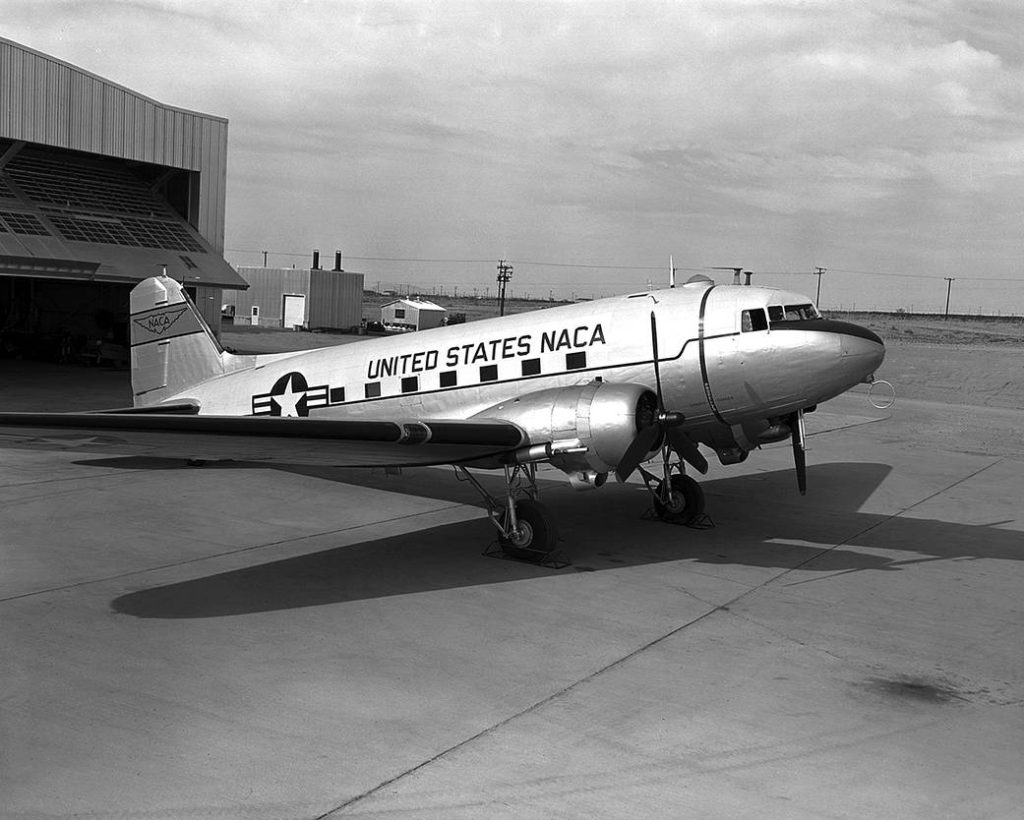
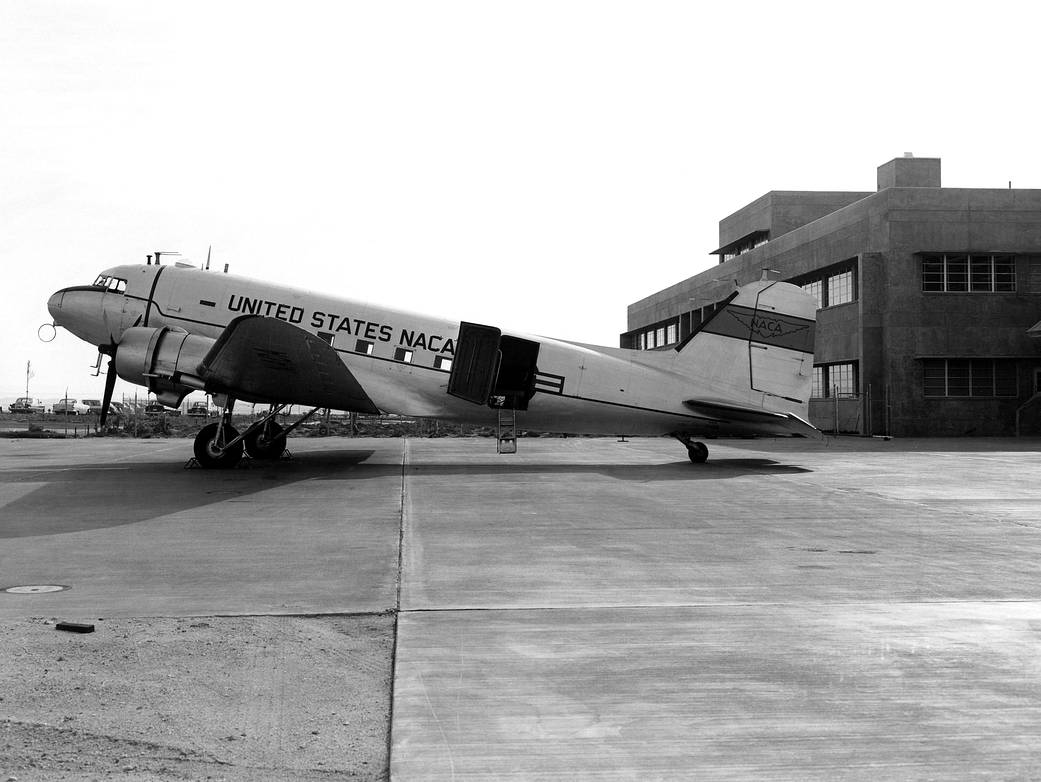
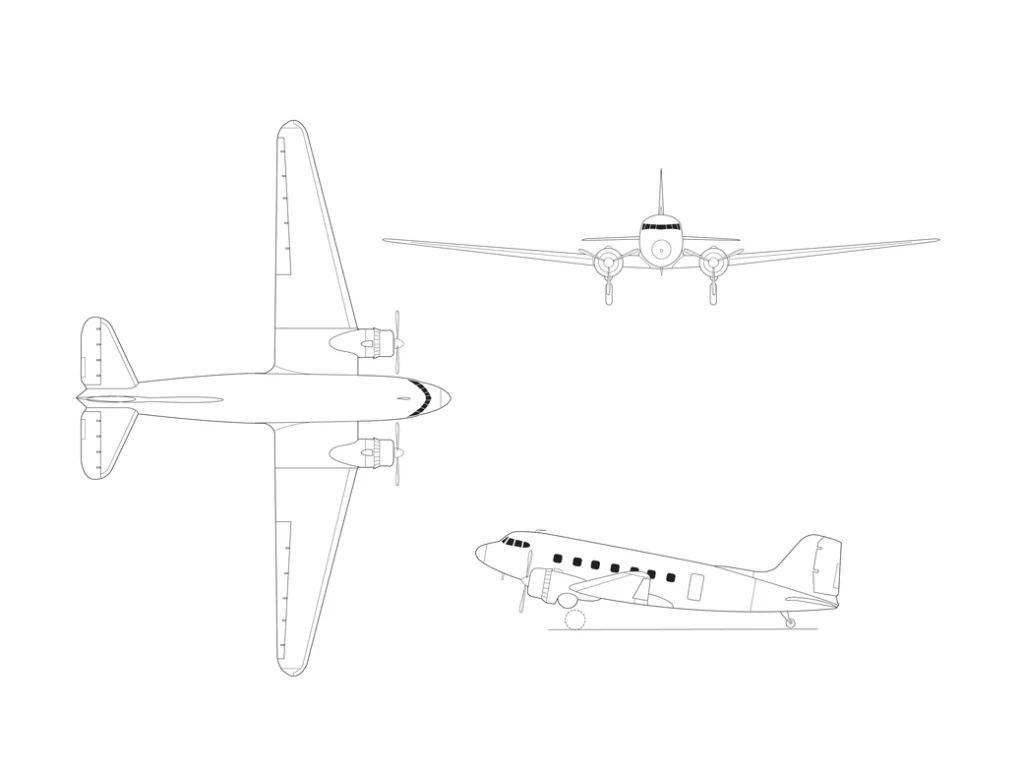
The R4D Skytrain, a versatile aircraft that played a crucial role in American military and aerospace history, was developed in the 1940s to meet the need for a reliable transport plane. Based on the Douglas Aircraft Company’s DC-3 civilian airliner, this aircraft was designated as the R4D by the US Navy, while the US Army and Air Force referred to it as the C-47. The public often called it the “Gooney Bird.” With a crew of three, the R4D could carry up to 6,000 pounds of cargo, personnel, or wounded soldiers. It was powered by two Pratt & Whitney R-1830-90C engines, each producing 1,200 horsepower. The aircraft measured 63.9 feet in length, 17 feet in height, and had a wingspan of 95.6 feet. Its empty weight was 18,135 pounds, and when fully loaded, it weighed 26,000 pounds. The R4D could reach a maximum speed of 224 mph at 10,000 feet, with a cruise speed of 160 mph. It had a range of 1,600 miles and a service ceiling of 26,400 feet.
Over 10,000 R4D/C-47s were built during World War II, and the aircraft became a staple in nearly every military operation since its first flight in December 1941. It was first used in Operation Husky and Operation Avalanche, but it truly gained fame during Operation Overlord, also known as the D-Day invasion. More than 1,000 R4D/C-47s transported 23,000 paratroopers along the Normandy coast. The aircraft continued to serve in other major operations such as Operation Dragoon and Operation Varsity during the war. Beyond World War II, the R4D was used in the Berlin Airlift, the Korean War, and even the Southeast Asian War.
In January 1947, the US Navy conducted Operation Highjump, using six R4D aircraft equipped with jet-assisted takeoff (JATO) bottles and skis to take off from the USS Philippine Sea aircraft carrier. This marked the first time R4Ds flew from an aircraft carrier, and they spent several days flying over Antarctica to photograph its coastline and interior. The mission aimed to test the feasibility of taking off from a carrier and landing in Antarctica for exploration.
One of the most notable achievements of the R4D came in the mid-1950s when a US Navy R4D named Que Sera Sera landed at the South Pole on October 31, 1956, as part of Operation Deep Freeze. This was the first American landing on the pole and the first human arrival there since Captain Robert F. Scott’s expedition in 1912. The R4D also played a lesser-known but significant role in NASA’s early research. From 1952 to 1984, three R4D aircraft were used by NACA (now NASA) to shuttle personnel and equipment between research centers across the country.
The first R4D arrived at the NACA High-Speed Flight Research Station (later renamed the Dryden Flight Research Center) and participated in cross-country flights to the Langley Research Center in Virginia. The second R4D served from 1956 to 1979, making numerous trips to the Ames Research Center in California and other NASA locations before being retired and sold for state police use. The third R4D faced maintenance issues and was eventually sent to the Lewis Research Center in Cleveland (now the Glenn Research Center).
The R4D was also used for testing emergency landings on dry lakebeds to determine if they were suitable for the X-15 aircraft. Additionally, it was involved in the first “air tow” of the M2-F1, a lifting body made of mahogany plywood. The R4D towed the M2-F1 about 100 times before it was retired for more advanced models. The aircraft also contributed to early studies on wing-tip-vortex flow visualization and tested the NASA Uplink Control System.
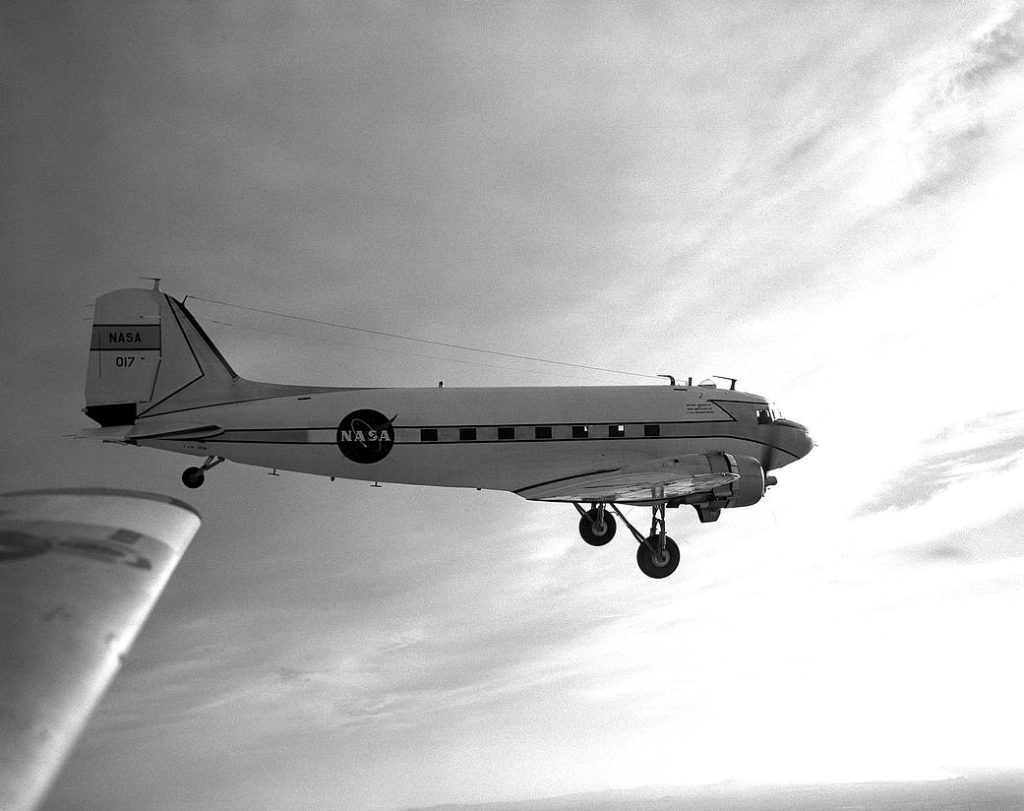
In 1962, the US Department of Defense standardized military aircraft naming conventions, and all R4D planes were reclassified as C-47s. The R4D at NASA’s Flight Research Center, which was renamed the Dryden Flight Research Center in 1976, also received the C-47 designation. Throughout its service, the C-47, or R4D Skytrain, was integral to the US military during its most critical years. It also played a vital role in NASA’s research that shaped the future of aviation, including transonic and supersonic aerodynamics, high-speed wing design, boundary-layer theory, and propulsion research.
If you enjoyed this article and would like to stay updated with more stories like this, please click the Follow button at the top of this page.
