DOJ Probes Maine Over Transgender Inmate at Women’s Prison
Federal Investigation into Maine’s Housing of Transgender Inmates
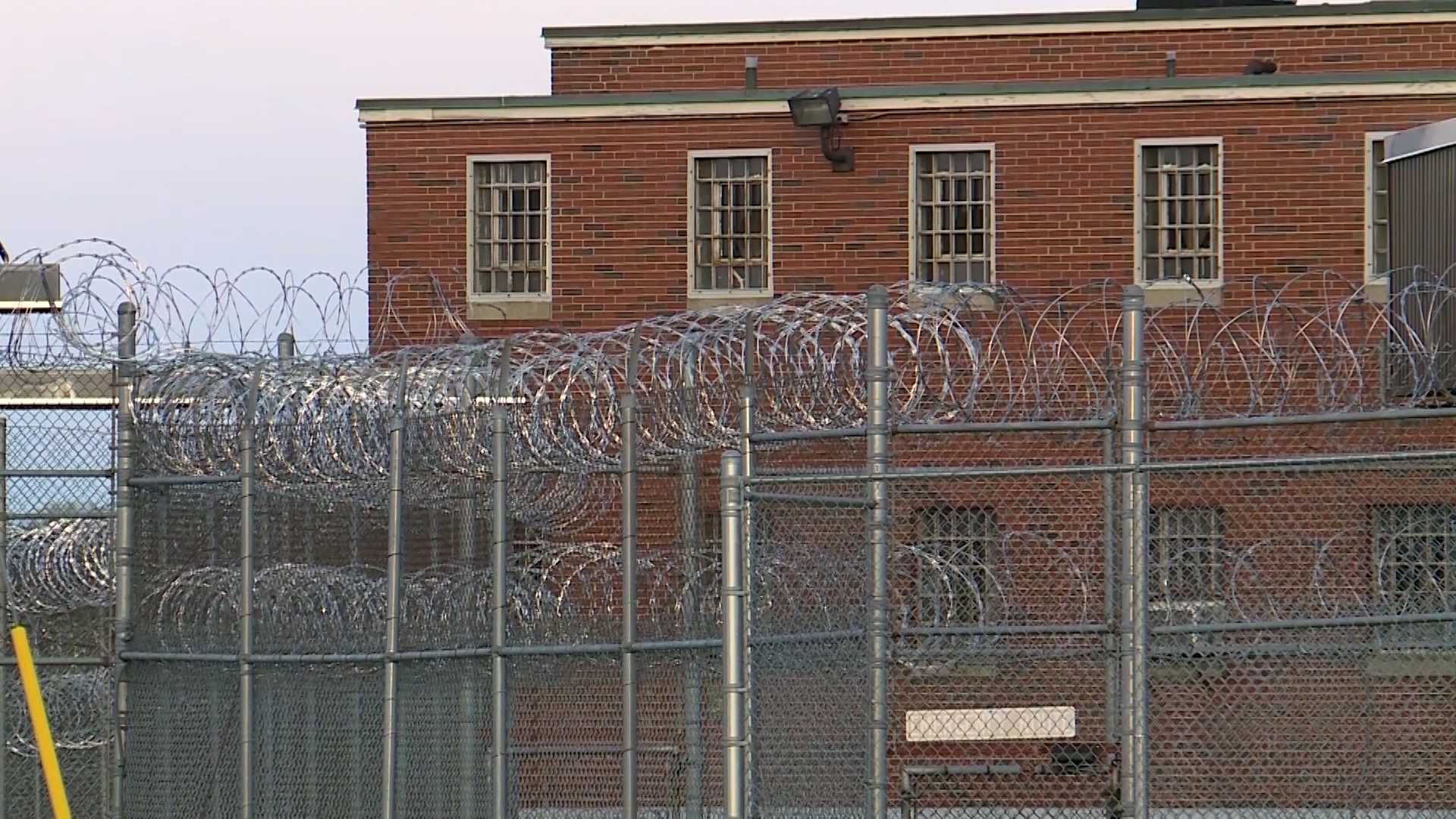
The U.S. Department of Justice (DOJ) has initiated a federal investigation into whether the state of Maine engages in a pattern or practice of housing transgender inmates who were assigned male at birth in women’s prisons. This move comes after the DOJ notified Maine Governor Janet Mills about the start of the probe, focusing on allegations that a transgender inmate has been housed with female inmates at the Maine Correctional Women’s Center in Windham.
The investigation specifically addresses complaints that this individual has allegedly assaulted or harassed several female inmates. The DOJ is also launching a similar inquiry in California, where it has informed Governor Gavin Newsom of the initiative. The department emphasized that it has not reached any conclusions regarding these allegations and is conducting a thorough review.
“Keeping men out of women’s prisons is not only common sense — it’s a matter of safety and constitutional rights,” stated Attorney General Pam Bondi in a public statement. “The Trump administration will not stand by if governors are facilitating the abuse of biological women under the guise of inclusion.”
Andrew B. Benson, U.S. Attorney for the District of Maine, added that the U.S. Attorney’s Office is committed to protecting the civil rights of all Maine citizens, regardless of their location. He highlighted the importance of ensuring that vulnerable populations are protected while in state custody.
State Response and Concerns
Maine officials have responded to the DOJ’s actions, calling the investigation politically motivated. A spokesperson for Governor Mills stated that the DOJ’s claims are part of a broader effort to target states that oppose the Trump administration. They argued that the investigation is predetermined and designed to undermine state policies.
The Maine Department of Corrections also addressed the issue, emphasizing that they take resident safety concerns seriously. According to a spokesperson, any reports of physical violence or harassment are investigated thoroughly. If the conduct rises to the level of a crime, it is referred for prosecution, and if it violates disciplinary policies, the involved individuals are disciplined accordingly.
Background and Previous Actions
This latest development follows a series of actions taken by the DOJ against Maine. Nearly a year prior, Attorney General Pam Bondi announced the withdrawal of nonessential federal funding from the Maine Department of Corrections due to the housing of a transgender inmate in a women’s prison. This decision was made during an appearance on Fox News’ “Fox & Friends” on April 8, 2025, where a graphic showed the state losing over $1.5 million in federal grants.
Bondi did not name the inmate but mentioned that the individual had killed their parents and a dog in a stabbing incident. The case involved Andrea Balcer, who went by the name Andrew at the time of the crime in October 2016. Balcer was sentenced to 40 years in prison in December 2018 after pleading guilty to the murders.
According to the Maine DOC online database, Balcer is currently serving a sentence at the Maine Correctional Women’s Center in Windham. The facility, which houses 86 inmates, is located in a separate unit within the Maine Correctional Center.
Additional Legal Challenges
Following the withdrawal of federal funding, Bondi also filed a lawsuit against the Maine Department of Education, alleging that the state violated Title IX by allowing transgender athletes who were assigned male at birth to compete in girls’ sports. Governor Mills and her administration have maintained that Maine’s policies align with the Maine Human Rights Act, which mandates equal treatment for all individuals.
The dispute escalated after a heated confrontation between Mills and President Donald Trump during a National Governors Association event at the White House in February 2025. During the exchange, Mills challenged Trump on the issue, stating, “We’ll see you in court.” The Title IX case is now set for trial by April 1, with both sides required to be prepared for legal proceedings.
Ongoing Legal and Political Tensions
The ongoing investigations and legal challenges highlight the growing tensions between federal authorities and state governments over policies related to transgender individuals in correctional facilities and school sports. As the DOJ continues its inquiries, the situation remains a focal point of national debate, with significant implications for civil rights, safety, and state autonomy.
