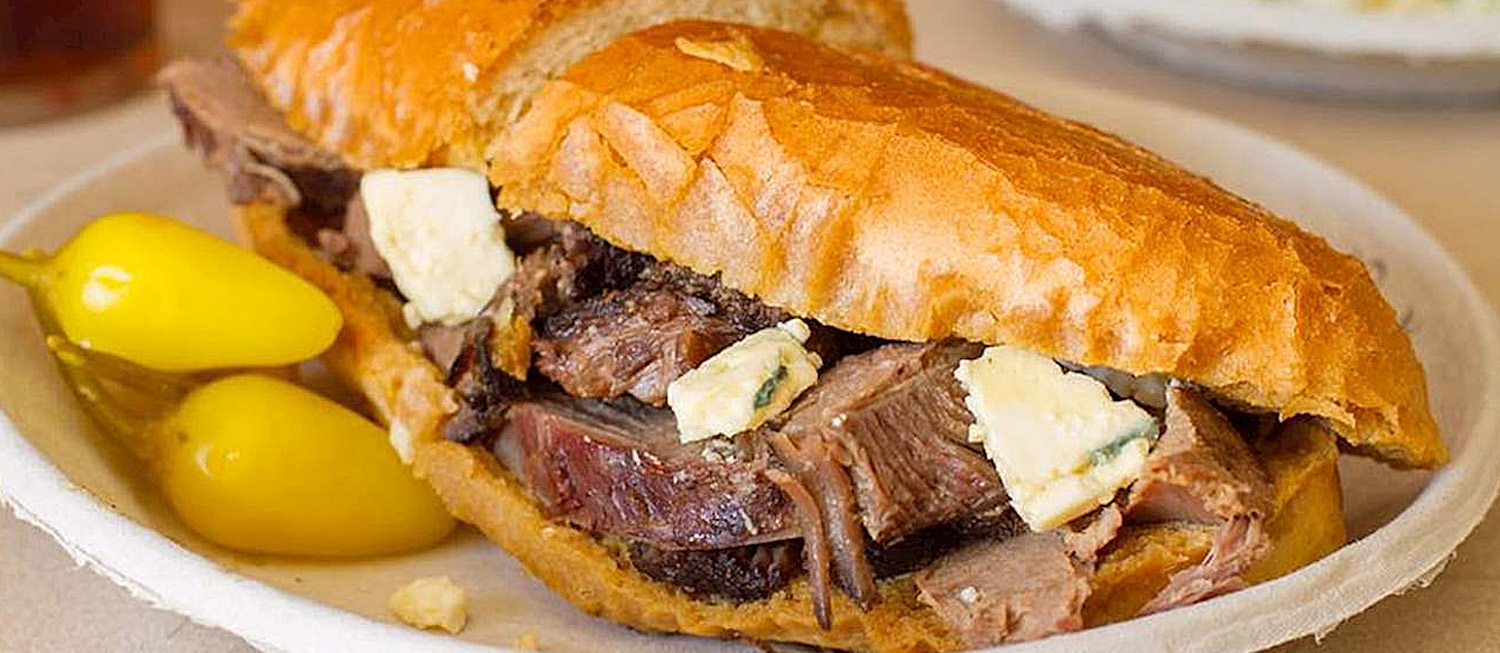
Man’s Great-Grandfather May Have Invented the French Dip Sandwich
The Mystery of the French Dip Sandwich
The invention of the French dip sandwich is a culinary mystery that has sparked debates for decades. While there are multiple claims, no one can definitively say who created this beloved dish. One of the most prominent names associated with its origin is Jack Garlinghouse, a chef at Cole’s P.E. Buffet in Los Angeles, which is now known as Cole’s French Dips. This establishment, which has been around for 118 years, is set to close its doors on March 29, marking the end of an era.
Jack Garlinghouse was the chef at Cole’s P.E. Buffet when it opened in 1908 in the Pacific Electric Building at 118 E. 6th St. The restaurant had a unique atmosphere with a mahogany bar, oak tables, and dim lighting. It was a popular spot for locals and travelers alike, offering a mix of dining and socializing. However, the story of the French dip sandwich began with a customer who had dental issues.
According to a story told by Jimmy Barela, a former employee of Cole’s, a customer approached Garlinghouse and asked if he could “tip that bun into the juice.” The customer explained that the rolls were too hard and hurt his gums. Garlinghouse asked if he wanted the rest of the sandwich dipped as well, and the customer agreed. This simple request led to the creation of the French dip sandwich, which quickly gained popularity among other customers.
Despite this anecdote, the exact origin of the French dip remains unclear. Philippe’s, another well-known French dip maker in downtown Los Angeles, also claims to have invented the sandwich in 1918. According to Charles Perry’s account, there are three possible stories behind Philippe’s version: a customer request, an accidental drop of a roll in gravy, or a deliberate dip to mask stale bread.
Cole’s history is less documented than that of Philippe’s, making it difficult to verify the details of Garlinghouse’s life. Tim Peron, Jack Garlinghouse’s great-grandson, shared some insights about his great-grandfather. He mentioned that he never met his great-grandfather but had a photo of him from the kitchen, wearing a chef’s white jacket and toque. Inez Garlinghouse, Jack’s second wife, was also part of the story. She worked as a hostess at Cole’s and was known for her strong opinions about the rivalry between Cole’s and Philippe’s.
Peron’s connection to Cole’s is a point of pride for him. He often corrects people who confuse Cole’s with Philippe’s, emphasizing that his great-grandfather was the true inventor of the French dip. However, he admits that many people have never heard of Cole’s, urging them to “Google it.”
The closure of Cole’s marks the end of a long-standing tradition in Los Angeles. Owner Cedd Moses is exploring options for the future of the restaurant, but the outcome remains uncertain. For many, including Peron, the loss of Cole’s is a bittersweet moment, as it represents not just a place to enjoy a meal but a piece of history.
As the story of the French dip continues to be debated, the legacy of Jack Garlinghouse and Cole’s P.E. Buffet remains a fascinating chapter in the city’s culinary history. Whether or not the exact origin of the sandwich is ever confirmed, the tale of its creation serves as a reminder of the creativity and ingenuity that define American cuisine.
