US ‘Human Rights Crisis’ Warns Amnesty International
A Human Rights Emergency in the 2026 FIFA World Cup
Amnesty International has raised serious concerns about the human rights situation surrounding the 2026 FIFA World Cup, labeling it a “human rights emergency.” The organization highlights that the United States, which will host the majority of the matches, is posing a significant threat to fans, players, and immigrant communities through its immigration enforcement policies. This report, titled “Humanity Must Win: Defending rights, tackling repression at the 2026 FIFA World Cup,” builds on previous analyses of global sporting events and focuses heavily on the U.S., particularly under the Trump administration.
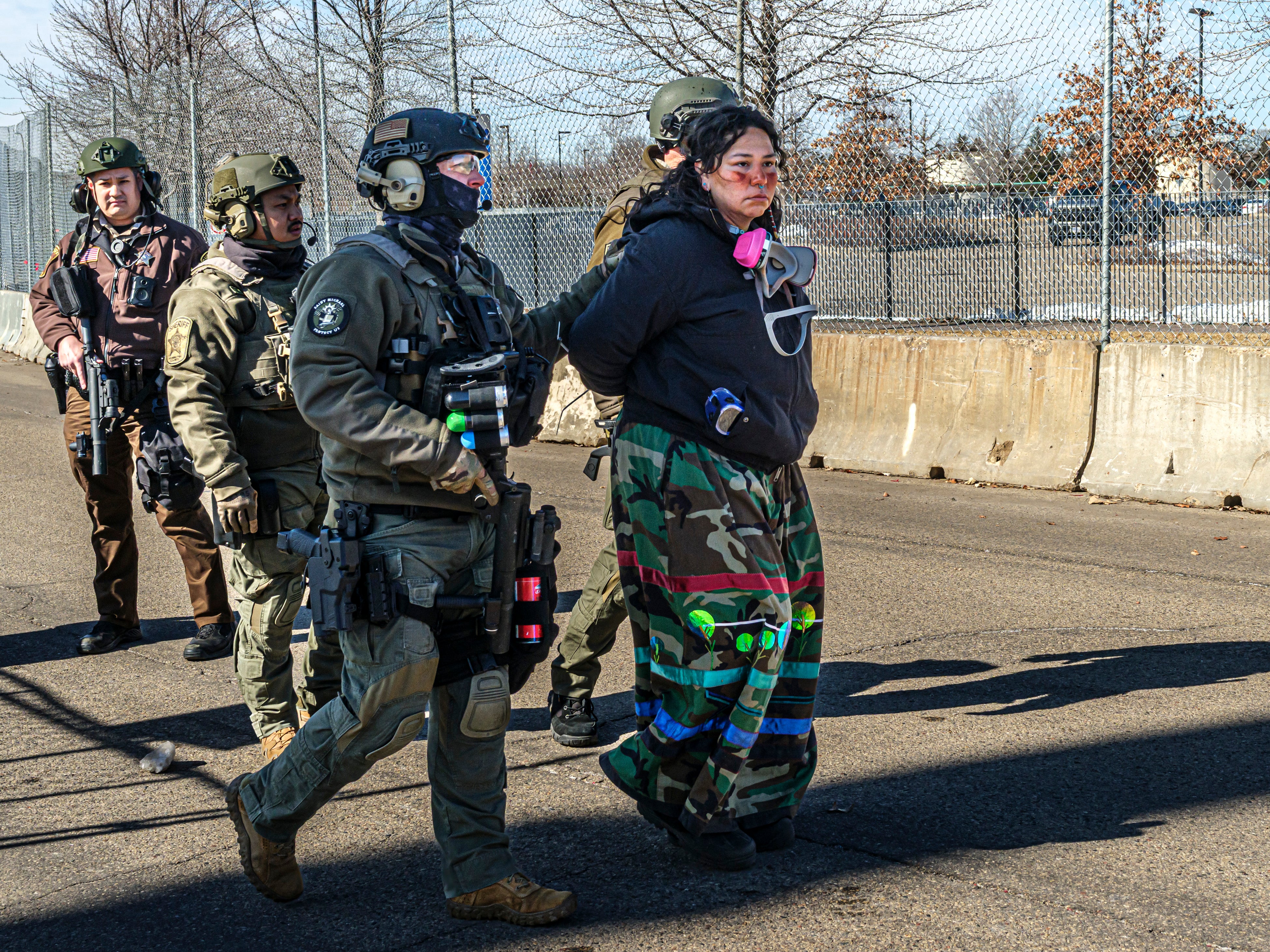
The report criticizes the U.S. Immigration and Customs Enforcement (ICE) for its role in what Amnesty calls a “chilling threat” to the safety and freedom of individuals. The organization points to discriminatory immigration policies, mass detentions, and arbitrary arrests by agencies like ICE and the U.S. Customs and Border Protection (CBP). These actions are seen as undermining the principles of fairness and inclusion that FIFA promises for the tournament.
Challenges for Fans and Immigrant Communities
One of the primary concerns is the difficulty faced by fans from certain countries in entering the U.S. For instance, supporters of Cote d’Ivoire, Haiti, Iran, and Senegal will need valid visas before January 1, 2026, due to travel bans implemented under the Trump administration. Additionally, there are fears of intrusive surveillance, with proposals to require visitors to provide access to their social media accounts for vetting purposes.
Amnesty also notes that only four of the 16 host cities have published human rights plans, and none have addressed protections against immigration enforcement. Cities like Dallas, Houston, and Miami have signed agreements allowing local law enforcement to collaborate with ICE, raising further concerns about the safety of immigrant communities.
A Climate of Fear and Repression
Steve Cockburn, Amnesty International’s Head of Economic and Social Justice, emphasizes the alarming number of arrests and deportations in the U.S. in 2025, with over 500,000 people deported—more than six times the number expected to attend the World Cup final. He highlights the erosion of due process safeguards, leading to a climate of fear across the country.
Mexico has mobilized 100,000 security personnel, including the military, in response to high levels of violence. This raises risks for peaceful protesters, such as women activists planning to gather at Estadio Azteca in Mexico City to seek justice for loved ones who have disappeared. In Canada, fears persist about the displacement of homeless individuals, as seen during the 2010 Winter Olympics in Vancouver. On March 15, a winter warming center in Toronto was closed to make way for FIFA-related activities.
Protests and Repression
World Cups have historically been sites of protest, especially amid ongoing conflicts in the Gulf and Israel-Palestine. Amnesty warns that demonstrations could be repressed in all three host countries due to restrictions on freedom of expression and peaceful assembly. The Trump administration has targeted foreign-born students protesting Israeli actions in Gaza, while U.S. citizens protesting immigration enforcement have been killed by federal agents.
In Canada, demonstrations about Gaza have been “unduly dispersed or cleared by the police.” Meanwhile, in Mexico, residents have protested against disruptions caused by infrastructure development, including issues with water supplies, land access, and rising costs. Amnesty fears that the militarized security approach in Mexico could lead to further repression of protests.
Calls for Urgent Action
Amnesty International urges immediate action to ensure that the 2026 FIFA World Cup fulfills its commitment to a safe, inclusive, and welcoming event for all. The organization stresses the importance of protecting the rights of fans, players, and local communities, particularly those from marginalized backgrounds.
As the world prepares for the 2026 World Cup, the call for human rights protection becomes more urgent. The tournament should not only be a celebration of sport but also a moment to uphold the values of dignity, safety, and inclusivity for everyone involved.