Israel approves billions for military readiness amid Iran tensions
Israel’s Defense Budget and Regional Tensions
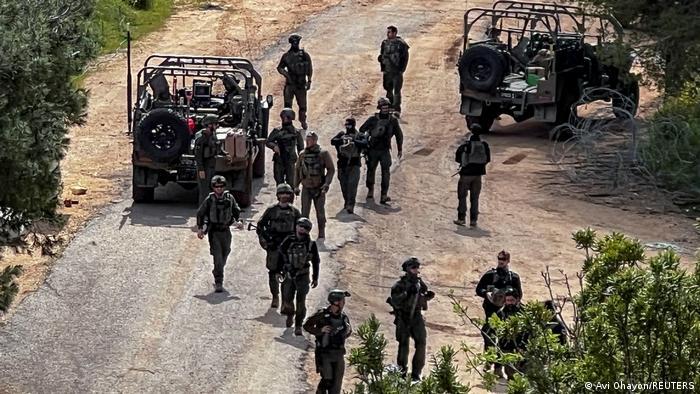
Israel has approved a 2026 state budget that significantly increases defense spending, reflecting the country’s ongoing military engagements. The budget allocation for the military will rise by more than $10 billion (E8.7 billion), pushing the defense budget above $45 billion—more than double its pre-Gaza war level in 2023. This decision comes as Israel continues to face threats from Iran and the Lebanese Hezbollah militia, while also conducting operations in Gaza.
The overall national budget stands at 850 billion Israeli shekels, or over $270 billion, making it the largest in Israel’s history. Local media have reported that the government also approved an $827 million advance for emergency military purchases, further emphasizing the nation’s readiness for potential conflicts.
UN Peacekeeper Killed in Lebanon
In southern Lebanon, a UN peacekeeper was killed and another critically injured in an explosion near the village of Adchit al-Qusayr. The incident occurred as part of the ongoing conflict between the Iran-backed Hezbollah and the Israeli military. The United Nations Interim Force in Lebanon (UNIFIL) has been monitoring the situation, conducting patrols along the Blue Line, a buffer zone between Lebanon and Israel, and the Litani River.
“We do not know the origin of the projectile. We have launched an investigation to determine all of the circumstances,” said UNIFIL. The mission primarily acts as an observer in the conflict, with naval peacekeeping forces patrolling the shoreline.
Pakistan’s Role in US-Iran Mediation
Pakistan has announced its intention to host peace talks between the United States and Iran, though no official confirmation has been received from either side. Pakistani Foreign Minister Ishaq Dar stated that both the US and Iran had requested Islamabad to facilitate negotiations on the ongoing conflict. He emphasized that Pakistan would be honored to host meaningful talks aimed at achieving a comprehensive and lasting settlement.
Pakistan’s emergence as a mediator is notable, given its relatively good relations with both the US and Iran. However, Iranian officials have expressed skepticism about the talks, with Iran’s parliament speaker dismissing them as a “cover” for potential American military actions. Reports indicate that around 2,500 US Marines have arrived in the Middle East, prompting warnings from Tehran that Iranian forces are prepared to confront American troops and their regional allies.
Ongoing Conflicts and Economic Impact
As the conflict with Iran enters its fifth week, oil prices have risen to over $115 per barrel, affecting global markets. Israel’s military operation, referred to as “Roaring Lion,” has prompted increased defense spending, with an Israeli lawmaker highlighting the additional $10 billion allocated to the Ministry of Defense.
The situation remains volatile, with multiple fronts of conflict and diplomatic efforts continuing to unfold. While Pakistan’s role as a mediator adds a new dimension to the crisis, the path to resolution remains uncertain. As developments continue, the international community watches closely to see how the situation will evolve.
