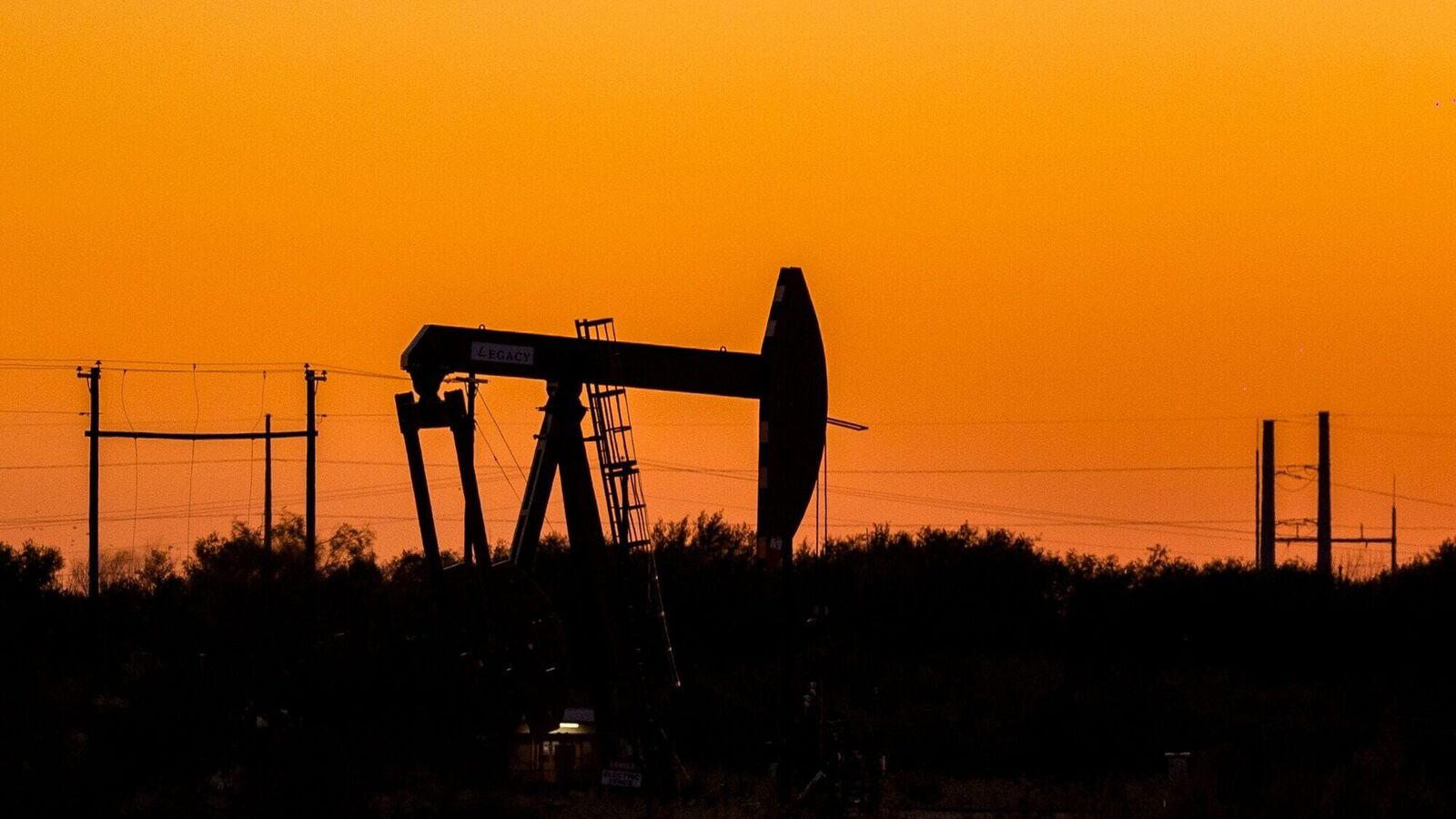
Brent Oil Surges to Record Monthly High as WTI Hits $100 for First Time Since 2022
Record-Breaking Surge in Brent Oil Prices
Brent crude oil prices have experienced a remarkable surge, climbing nearly 55% in March. This marks a historic milestone for the contract, which has been in existence since 1988. The previous monthly record was a 46% increase during September 1990, which coincided with the first Gulf War.
On Monday, international benchmark Brent crude futures with May delivery rose by 0.19%, or 21 cents, closing at $112.78 per barrel. This significant gain highlights the ongoing tensions and uncertainties in the global energy market.
In addition to Brent, U.S. West Texas Intermediate (WTI) futures with May delivery also saw an impressive rise of 3.25%, or $3.24, settling at $102.88 per barrel. WTI has also gained approximately 53% in March, positioning it for its best month since May 2020. Notably, this marked the first time WTI has settled above $100 since July 2022.
Escalation of Tensions with Iran
President Donald Trump has issued strong warnings regarding potential military action against Iran. He threatened to destroy the Islamic Republic’s oil wells, power plants, and Kharg Island unless the Strait of Hormuz is reopened. This statement comes as the conflict between the U.S., Israel, and Iran has entered its fifth week, with attacks spreading across the region and increasing risks to energy infrastructure.
In an interview with the Financial Times on Sunday, Trump expressed his preference for “taking the oil” from Iran, drawing a parallel to U.S. actions in Venezuela, where Washington effectively gained control over the country’s oil sector after the capture of its leader, Nicolás Maduro.
Regional Conflicts and Their Impact
Yemen’s Houthis have announced their involvement in the conflict by launching missiles at Israel, marking their first direct participation in the U.S.-Israel war against Iran. In a post on X, Houthi spokesperson Yahya Saree stated that the group fired a barrage of ballistic missiles at what it described as sensitive Israeli military targets, supporting Iran and Hezbollah forces in Lebanon.
This attack signifies a further escalation in the conflict, which began with U.S. and Israeli strikes on Iran on February 28. Analysts like Michael Haigh, global head of fixed income and commodities research at Societe Generale, have highlighted the potential for further disruption through the Bab el-Mandeb Strait, a critical shipping channel linking the Gulf of Aden to the Red Sea.
“We’re talking between four and five million barrels per day going through there,” Haigh noted, emphasizing the significance of this strategic location. He warned that if another four million barrels are taken out of the Red Sea, oil prices could rise significantly.
Potential for Higher Oil Prices
Analysts from Societe Generale have suggested that prolonged supply disruptions in the Middle East could push oil prices as high as $150 per barrel in April. They also pointed out that the Houthis could attempt to choke off maritime traffic through the Bab el-Mandeb Strait, adding pressure on global trade.
Ed Yardeni, president of Yardeni Research, has observed that global equities are beginning to reflect a scenario of “higher-for-longer” oil prices and interest rates. He warned that the continued blockade of the Strait of Hormuz could deepen the market pullback and raise recession risks, with uncertainty around the conflict likely to keep volatility elevated until oil flows normalize.
David Roche, strategist at Quantum Strategy, noted that markets are increasingly pricing in a more aggressive U.S. response, including the possibility of “boots on the ground” and seizing Iran’s key export hub at Kharg Island. Such a move could severely impact Iran’s dollar revenues but risk triggering full-scale escalation, with Tehran likely to retaliate by targeting critical infrastructure across the Gulf.
Roche highlighted the vulnerability of Saudi Arabia’s East-West pipeline, which carries around 5 million barrels per day to the Red Sea. Any disruption at the Bab al-Mandeb chokepoint could severely constrain exports. Even under alternative routes via the Suez Canal, capacity would be sharply reduced, potentially taking 4 to 5 million barrels per day off the market.
