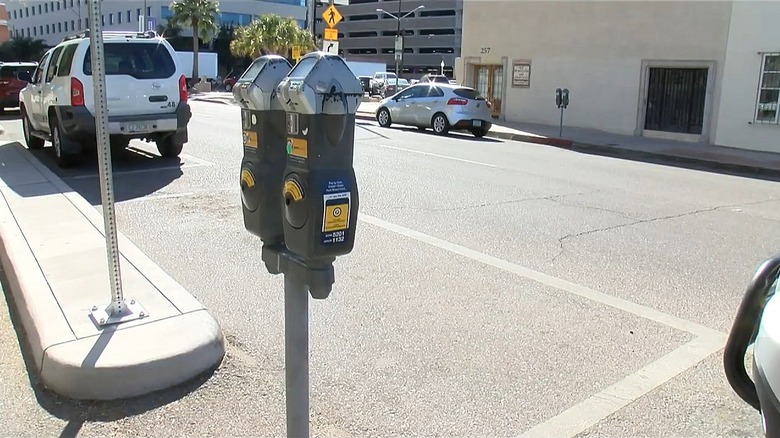
What happens when you park at a broken meter
The Parking Meter Dilemma: A Mixed Bag of Rules and Regulations
America is home to an astonishing number of parking spaces, with estimates suggesting there are as many as 2 billion. However, finding a spot on the street can feel like searching for a needle in a haystack. When you do stumble upon an open space, it often comes with a parking meter—sometimes functional, sometimes not. But just because a meter is broken doesn’t mean you can park for free.
For example, in San Diego, drivers won’t get a ticket for parking at a broken meter. The city allows multiple payment methods, including credit cards, coins, and an app. According to the city’s policy, if any one of these methods is active, the meter isn’t considered out of order. That means if the coin slot is jammed, but the credit card reader is working, you can’t claim the meter is broken.
Los Angeles has a similar policy. In 2022, out of 3,400 drivers contesting an inoperable parking meter, fewer than 1% of the cases were dropped by city officials, according to NBC Los Angeles. Even autonomous vehicles aren’t immune to citations. In 2024, Waymo’s driverless cars received 589 parking tickets in San Francisco.
In Washington, D.C., authorities won’t cite your car at a broken meter, but only if they can clearly see that it’s non-operational—like displaying an error message. Meanwhile, New York City has something called Muni-meters, which allow free parking if the meter is unusable, provided there isn’t a functioning Muni-meter nearby where you could pay. This rule also applies to time limits set by the Muni-meter. Similarly, in Eugene, Oregon, you can park in a spot with a non-working meter, but not beyond the stated time limit.
These examples show that parking rules vary widely across the U.S. It’s always best to check local laws before assuming you can park for free.
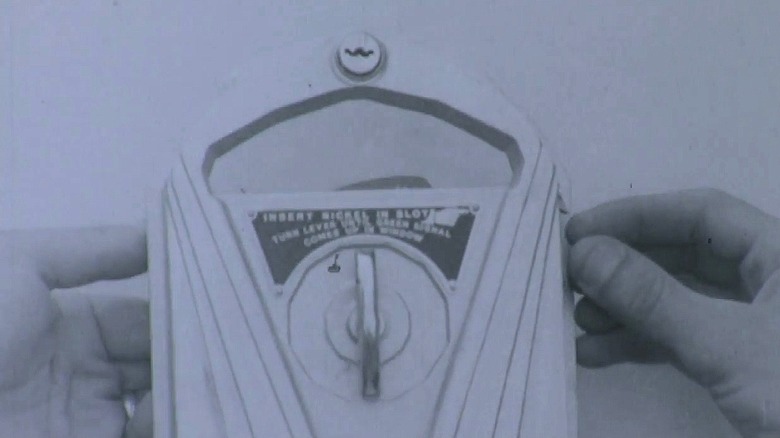
The Evolution of Parking Meters and Their Impact
The history of parking meters dates back to 1935 when Oklahoma City became the first location to install one. Despite initial resistance from drivers, meters quickly spread across the country. By the early 1940s, there were over 140,000 meters in use, according to History.com.
Today, parking meters generate significant revenue for cities. In 2019, New York City reported earning $228 million from parking meters in the previous fiscal year. The money collected is often used for infrastructure and neighborhood repairs. In San Diego, for instance, it’s legally required that the funds go toward improvements in the area where they’re collected.
Cities clearly benefit from parking fees, and retailers also see indirect advantages. Increased customer traffic can lead to higher sales, as patrons are more likely to visit shops and restaurants when they know they’ll have to pay for parking. The added cost and inconvenience of needing to return to their car or use an app can encourage people to stay longer and spend more.
While some residents may dislike parking fees, the revenue can also benefit them. Craig Gustafson, deputy director of the San Diego Transportation Department, explained, “everybody parking on the street right now, that’s feeding the meter. They’re feeding neighborhood repairs as well.”
For those who still find parking meters frustrating, it’s worth noting that in some areas, parking spaces are so scarce that they can even be purchased. For example, a $375,000 parking space in a Boston garage was recently put up for sale, highlighting just how valuable real estate can be in urban areas.
Understanding the rules and the impact of parking meters can help drivers navigate the challenges of urban parking more effectively. Whether you’re dealing with a broken meter or simply trying to avoid a ticket, knowing your rights and responsibilities is key.
