Are You Hiding Your Gains? 4 Science-Backed Changes to Boost Your Strength
The Shift in Resistance Training Philosophy
For years, the world of resistance training has been dominated by extreme philosophies and “no pain, no gain” mentalities that often leave the average person injured or discouraged. As a fitness expert based in the United States, I’ve watched as professional bodybuilder techniques trickled down to casual gym-goers, creating a culture of unnecessary intensity. However, a major new review from the American College of Sports Medicine (ACSM) has finally debunked several high-intensity trends, proving that building a stronger body is far simpler than the internet would have you believe.
Debunking the Myth of “Training to Failure”
The most significant myth to fall is the necessity of “training to failure.” Many enthusiasts believe you must lift until your muscles literally cannot move another inch to trigger growth. The new US guidelines found no evidence that training to failure leads to bigger muscles compared to leaving a few reps in the tank. In fact, pushing to total exhaustion can actually hinder your progress by significantly slowing down your neuromuscular recovery, making it harder to stay consistent with your next session.
The Truth About “Time Under Tension” and Complex Routines
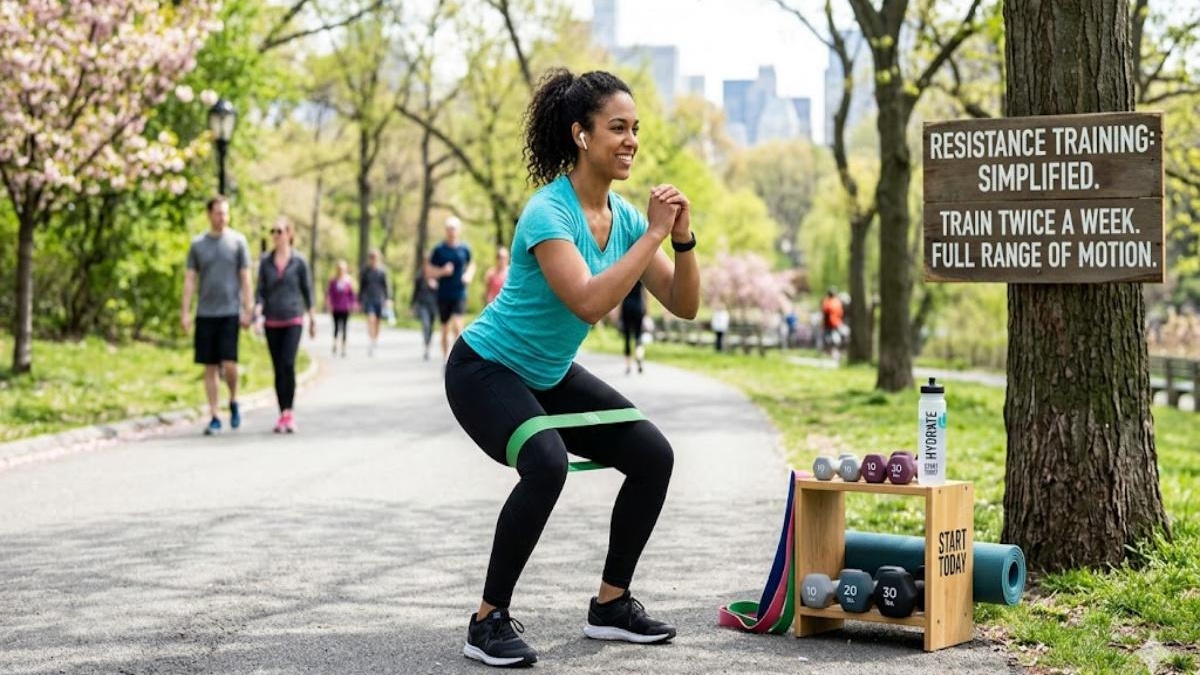
Another common trap is the obsession with ultra-slow movements to increase “time under tension.” While the theory suggests this adds metabolic stress to the muscle fibers, experts now clarify that slowing down your lifts is not necessary for the average person to see results. Instead of focusing on a specific tempo, your energy is better spent ensuring you are lifting through a full range of motion, which is one of the variables that actually matters most for functional strength and muscle health.
Complexity is often the enemy of consistency, yet many people still try to juggle alternating sets, mini-sets, and varying loads. The experts behind the new review emphasize that the best resistance program is the one you can stick with over time, rather than the most complicated one. You don’t need a professional-grade algorithm to get fit; you simply need to train all major muscle groups at least twice a week using a plan that allows for sensible, steady progression.
Fitness Without a Gym Membership
Perhaps the most liberating takeaway from the latest research is that a gym membership isn’t a requirement for success. While heavy machines are excellent, the authors stress that elastic bands and bodyweight training offer clear, measurable improvements in muscle size and performance. This is a game-changer for sedentary individuals who might feel intimidated by the “weight room” culture, as home-based routines are perfectly capable of delivering the life-extending benefits of strength work.
Health Benefits Beyond Aesthetics
The health incentives for picking up a weight—or a resistance band—are overwhelming and go far beyond aesthetics. Regular resistance training is linked to a lower risk of heart disease, cancer, diabetes, and depression, while also providing a significant boost to sleep quality. By moving away from the “perfectionist” mindset of elite athletes, you can tap into these biological rewards without the high risk of burnout or chronic injury that comes with over-training.
The ACSM Guidelines for Strength
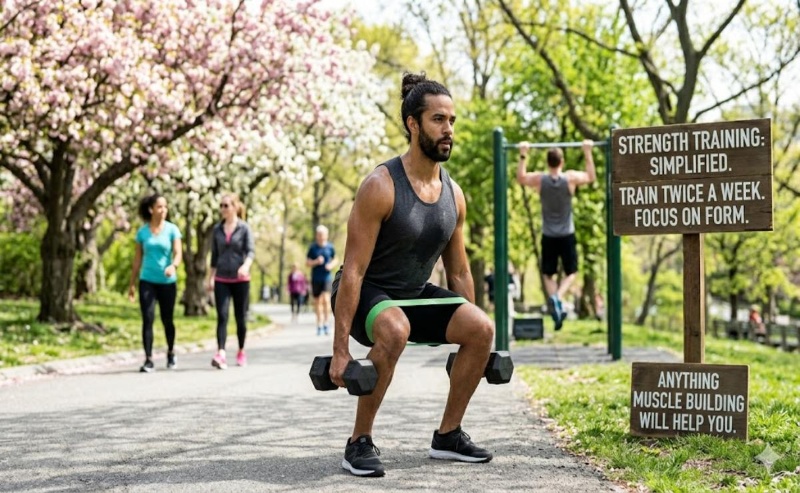
If you are looking for the “magic formula” for strength, the ACSM guidelines provide a clear roadmap: aim for two to three sets per exercise and place your most challenging lifts at the beginning of your session. Using heavier loads—relative to your own ability—is still the most effective way to build raw power, but you should never sacrifice form for the sake of the ego. This balanced approach ensures that your joints stay healthy while your muscles get the stimulus they need to thrive.
The Power of Consistency
Consistency remains the “holy grail” of fitness, and these new insights make that goal much easier to reach. By stripping away the fluff of “metabolic stress” and “training to failure,” you can focus on the core habits that drive longevity. Remember, anything that is muscle-building will help you, whether it’s done in a high-end facility or your own living room. The evidence is clear: resistance training works, but only if you don’t overcomplicate the process.
Building a Sustainable Lifestyle
Ultimately, the goal is to create a sustainable lifestyle that supports your long-term health. Don’t let the fear of not doing it “perfectly” stop you from doing it at all. Prioritizing a simple, twice-weekly routine is the most effective way to protect your body against the chronic diseases of modern life. Start where you are, use what you have, and trust that science-backed simplicity is the fastest route to a stronger, more resilient version of yourself.
